Awards & Achievements
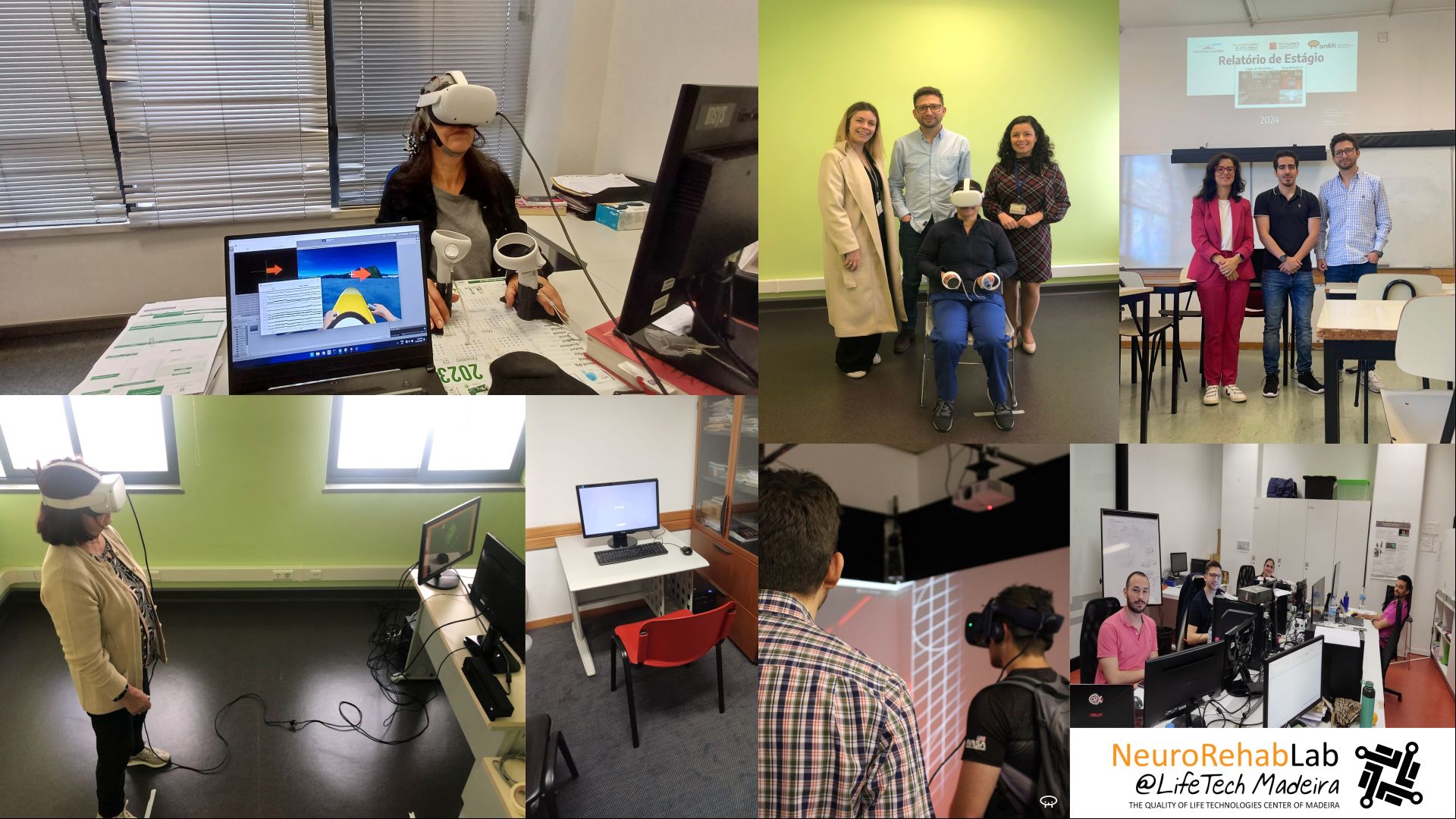
Finished Professional Internship for Portuguese Order of Psychologists Link to heading
I am now a Membro Efectivo da Ordem dos Psicólogos Portugueses! This milestone marks the culmination of my year as a Junior Psychologist at the NeuroRehabLab, where I had the incredible opportunity to contribute to multiple groundbreaking research projects.
🚀 One of the highlights was working on the Neurow project, where we implemented a rehabilitation program for stroke patients using a Brain-Computer Interface (BCI) paradigm combined with Virtual Reality.
🕹️ I also contributed to the Exergames for Healthy Aging project, adapting a series of validated exergames for Head-Mounted Displays, benefitting both elderly and dementia patients.
📊 Additionally, we worked on validating a new dataset of 3D objects designed for emotion elicitation, specifically tailored for the Portuguese population.
A heartfelt thank you to my supervisor Ana Lúcia Faria for all the support and guidance. I’d also like to thank my colleagues Sofia Ferreira, Paulo Fernandes, Ana Pereira, and Mariana Castro Fernandes, who collaborated with me throughout this internship. And last but not least, a big thank you to all the participants!
📢 Stay tuned — scientific outputs from this work are coming soon!
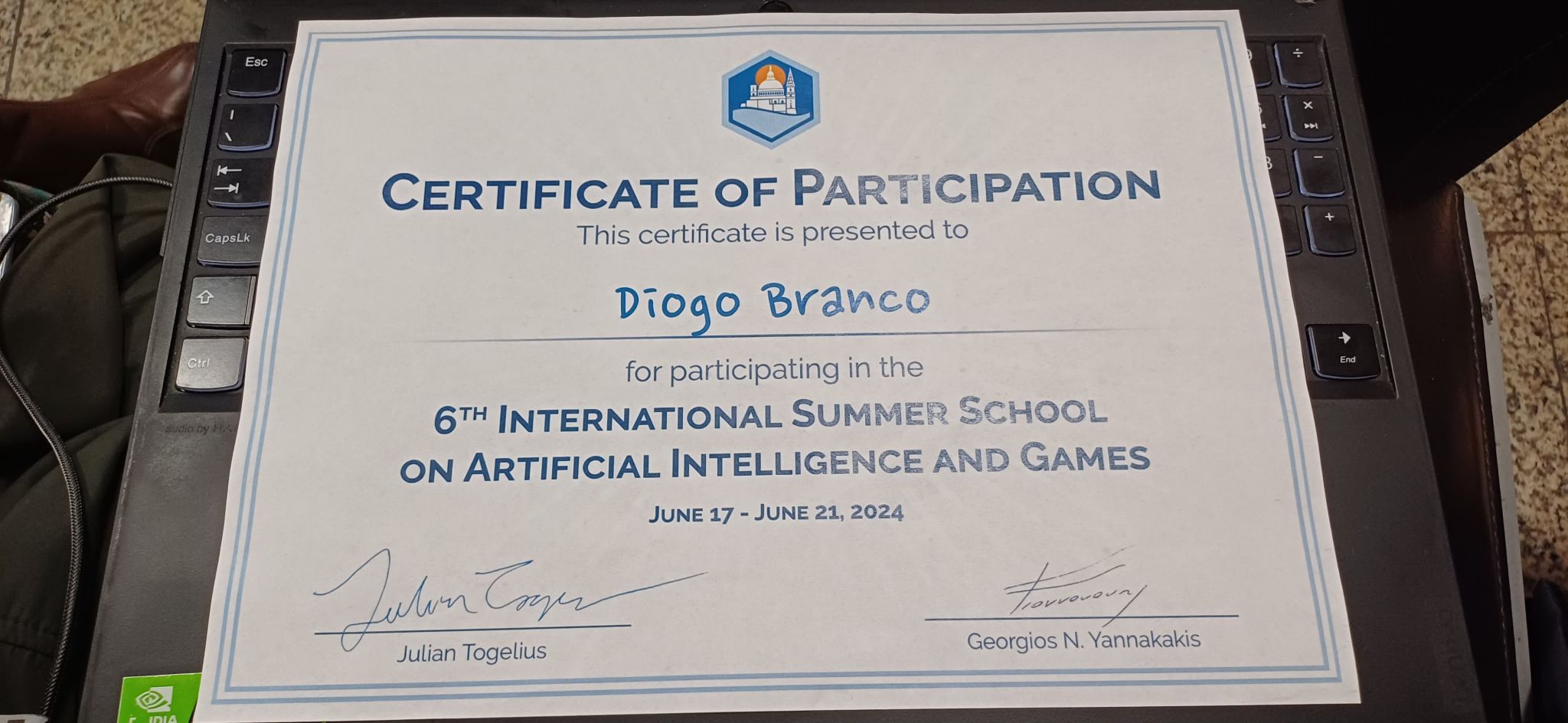
Scholarship for International Summer School on AI and Games 2024 by Keyword Studios Link to heading
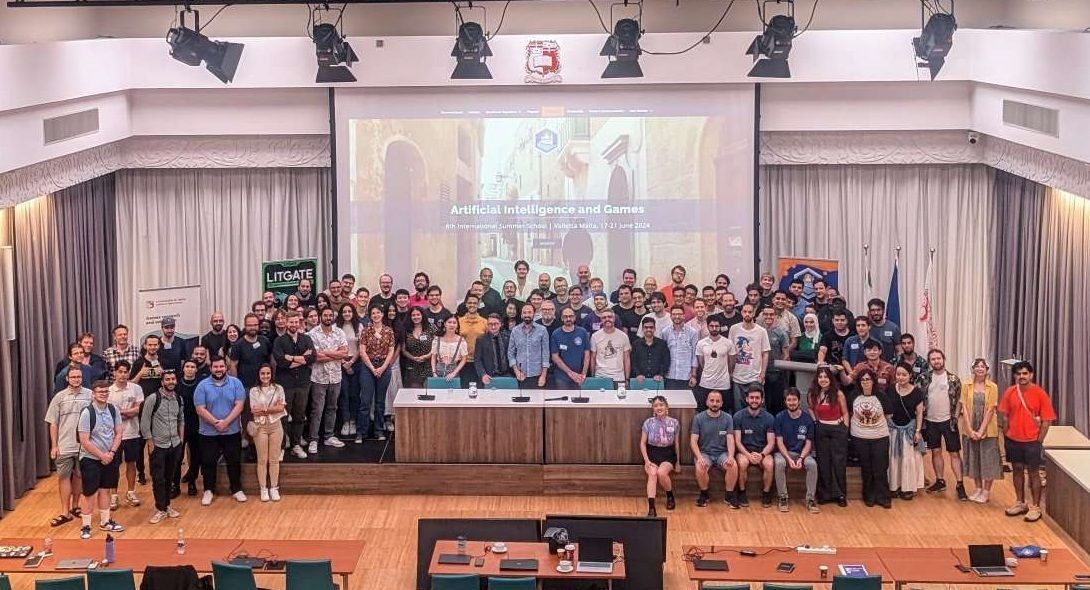
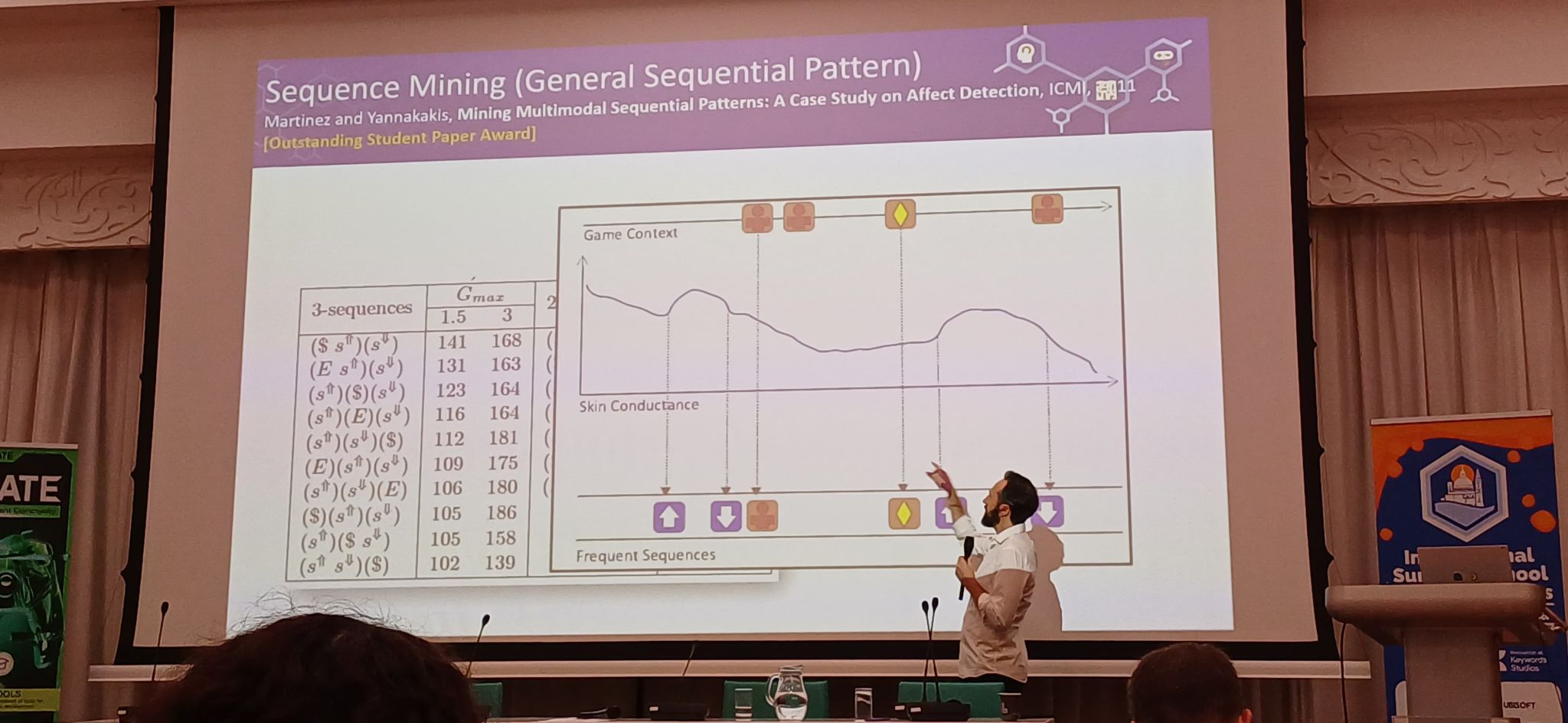
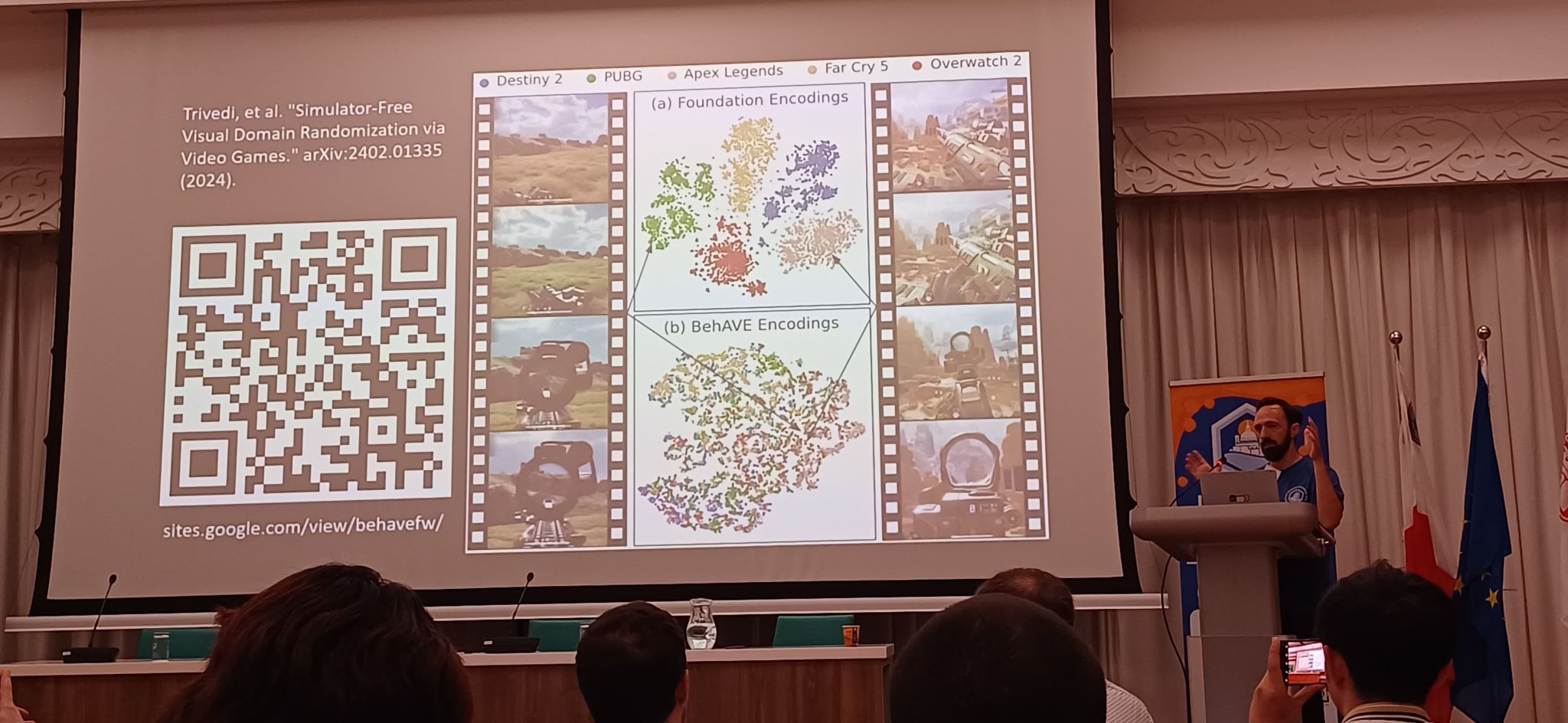
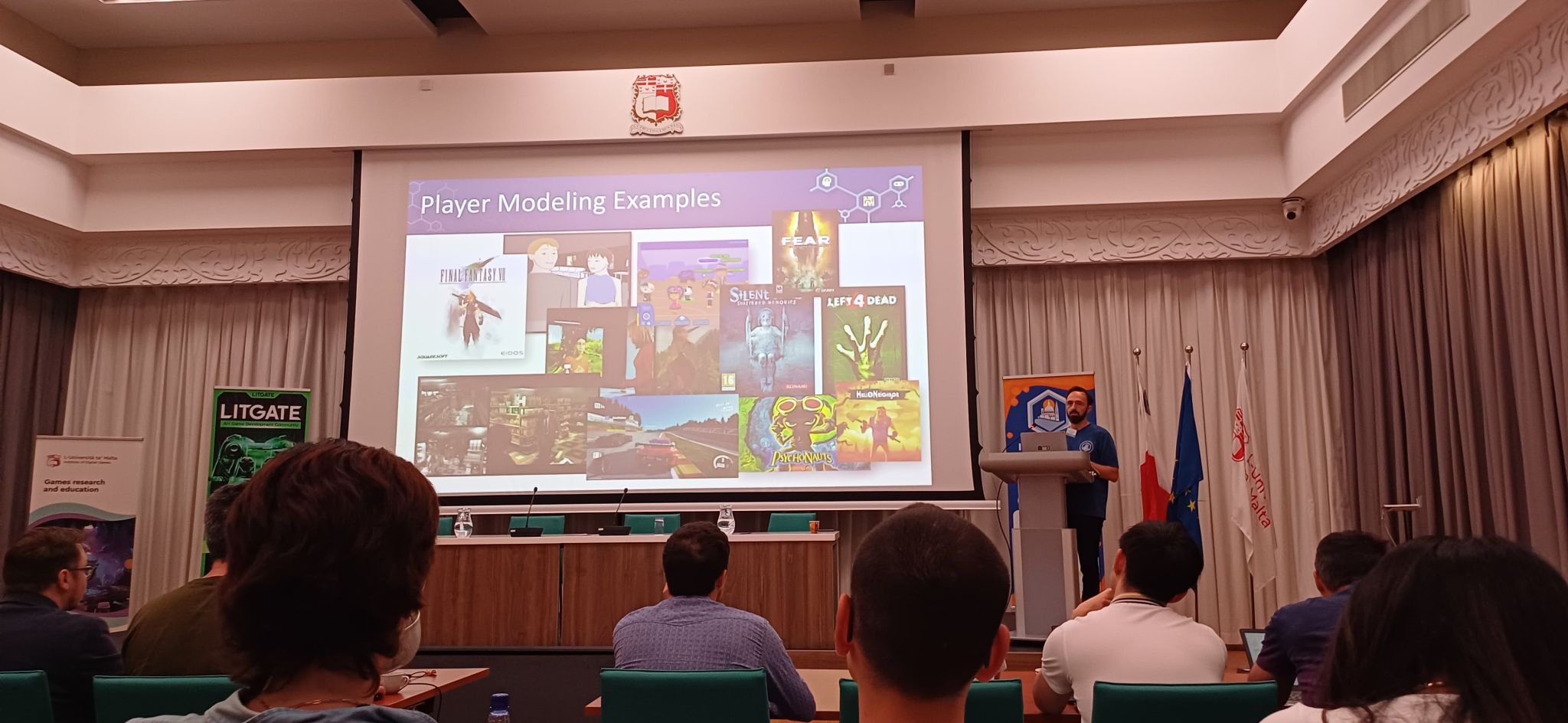
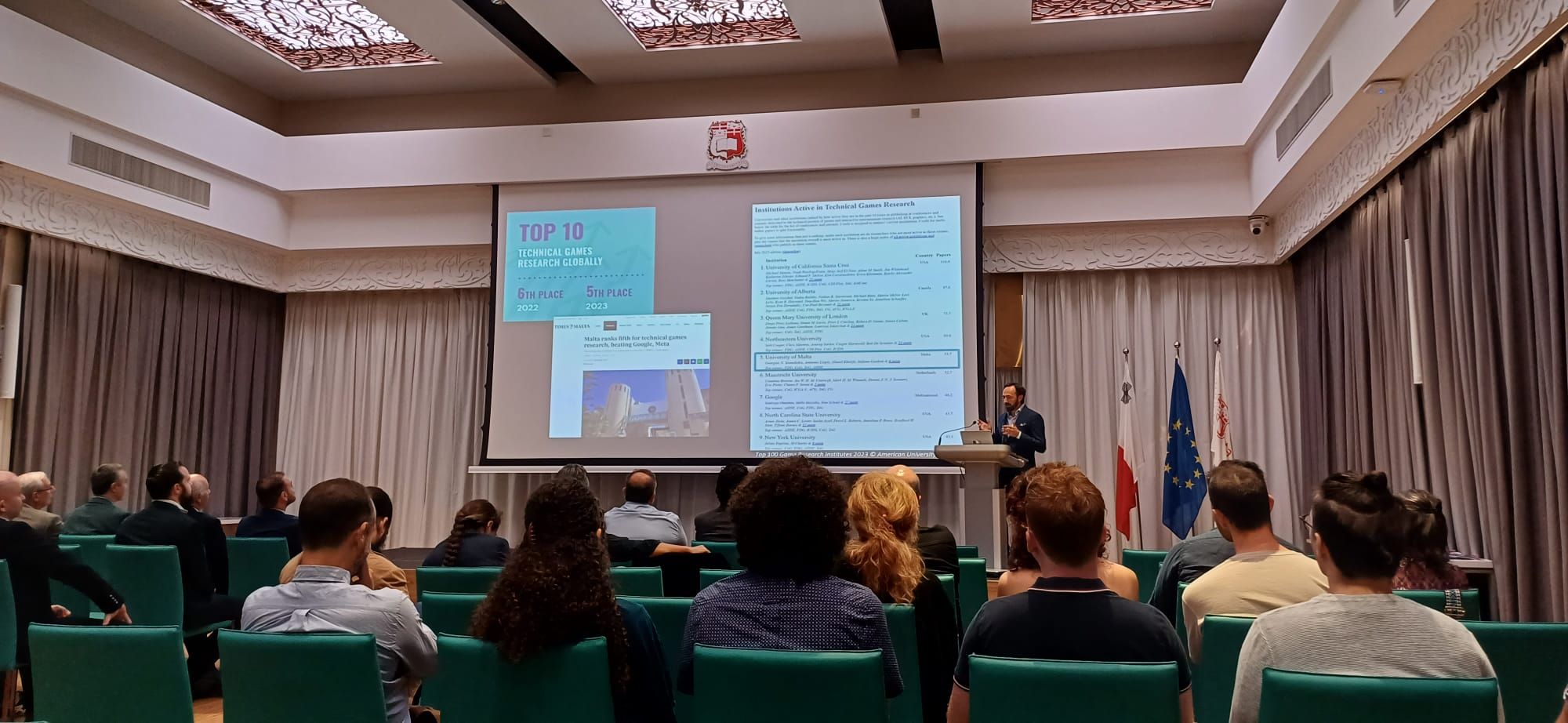
I had the amazing opportunity to attend the International Summer School on AI and Games 2024 in Malta, co-organized by modl.ai and Keywords Studios, and sponsored by Sony, Ubisoft, LitGate, and CAIRNE. Thanks to a scholarship from Keywords Studios, I was able to participate, I’m incredibly grateful!
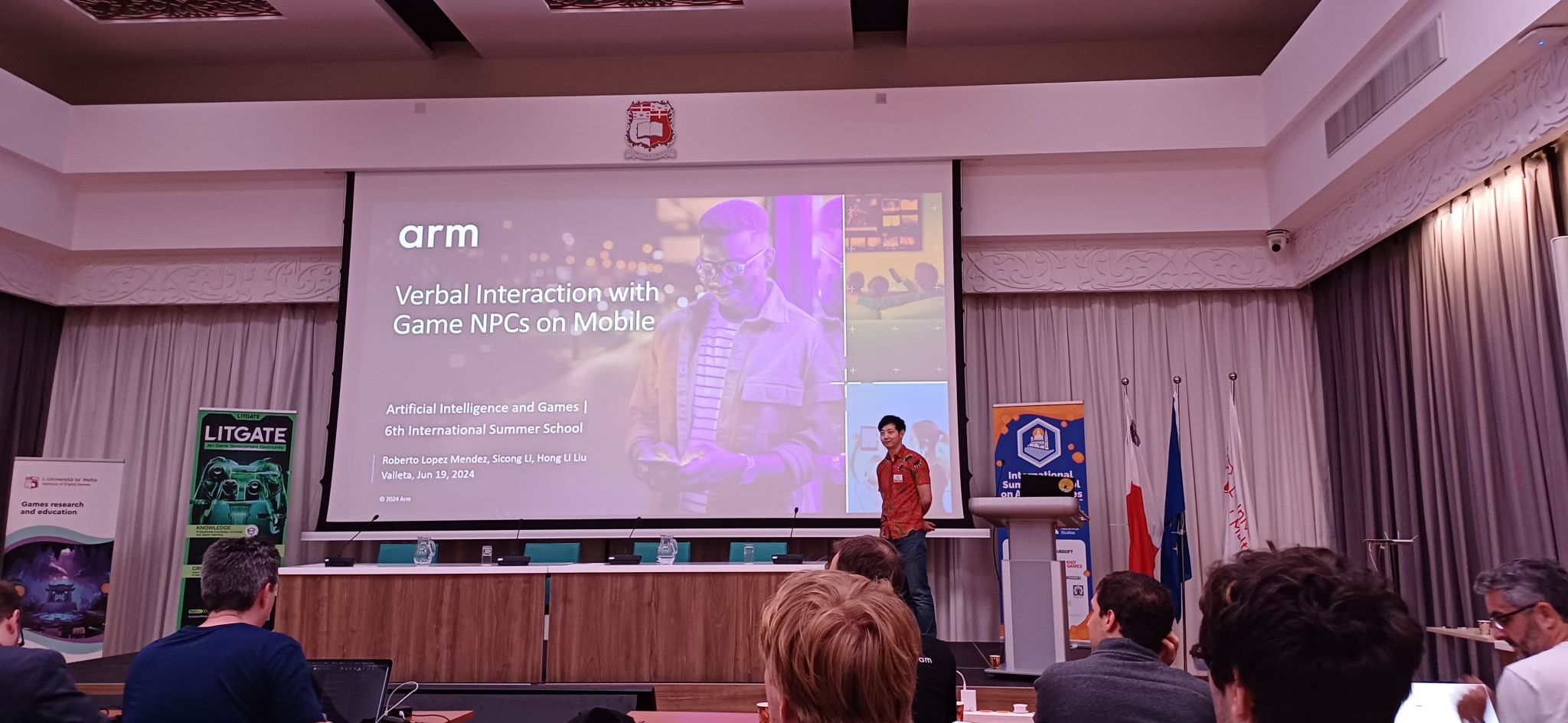
The talks offered a deep dive into the intersection of AI and games, from historical roots to cutting-edge innovations. Speakers from both academia and industry shared unique insights, making this a powerful convergence of both worlds. Special highlights included the ML Agents workshop by Ben Clark and SiCong Li from ARM.
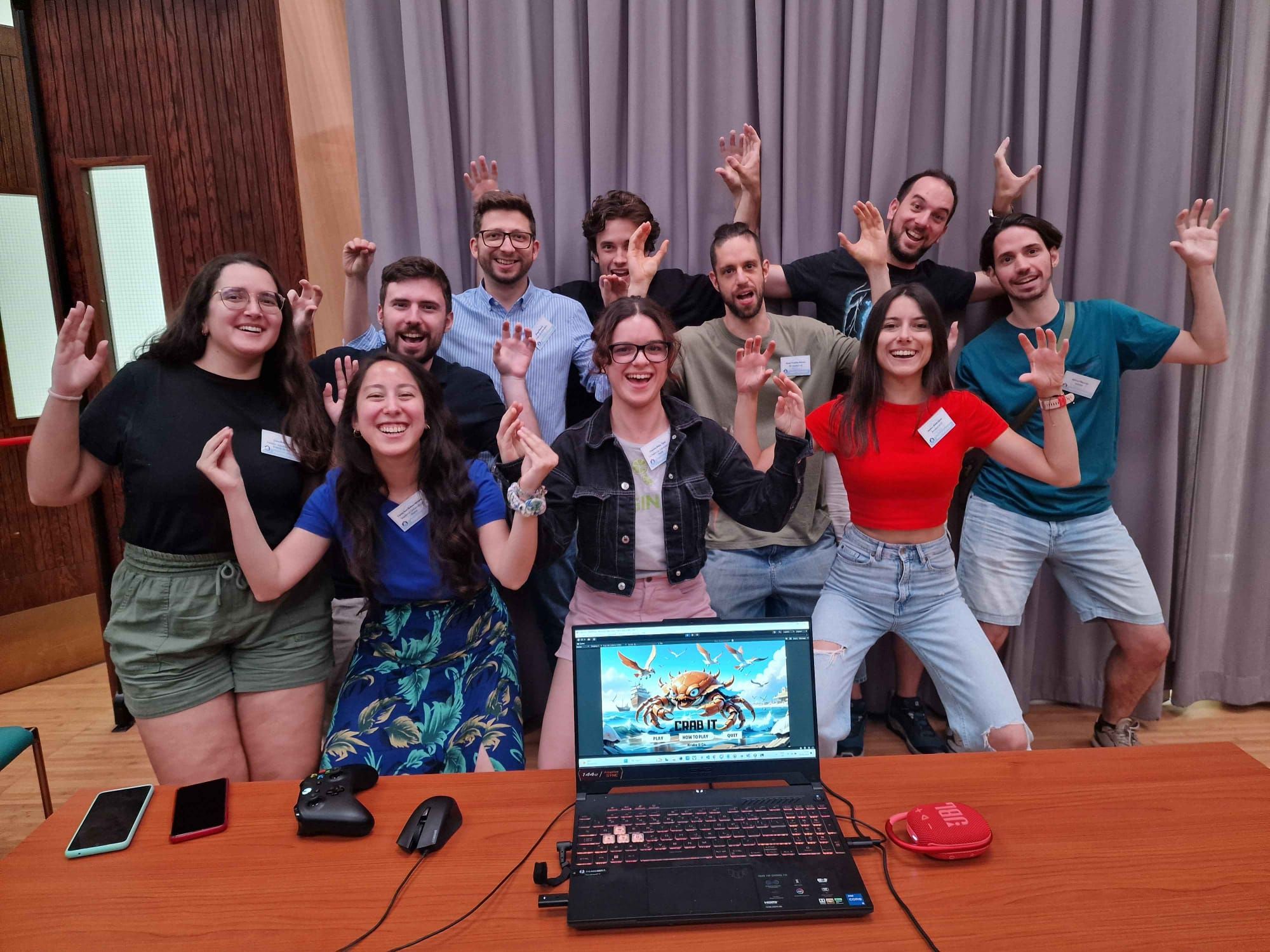
To wrap up the week, we participated in a game jam where my team developed Crab It — a motion-controlled game built in Unity 3D using MediaPipe for real-time body tracking.
In this game, you play as a crab inspired by the coastal spirit of Malta, using a cannon to defend your territory. Voice commands generate different types of cannonballs, with each ball’s sprite dynamically created in real time via the Leonardo.Ai API. An Xbox controller is used only to fire the cannon — all aiming and gameplay interaction happens through motion detection and voice input.
Your enemies? Other crabs and pesky seagulls trying to invade your beach. This chaotic, creative, and collaborative project earned us 3rd place!
TEAM: Diogo Branco, Nuno Vicente Barreto, Bogdan Okreša Đurić, Jovana Dimitrijević, Lana Rossato, Tania Sari Bonaventura, Claudia Melis Tonti, Mano Marichal, Sotiris Piliouras and Stergios Kokorotsikos
Visit to Institute of Digital Games (IDG) Link to heading
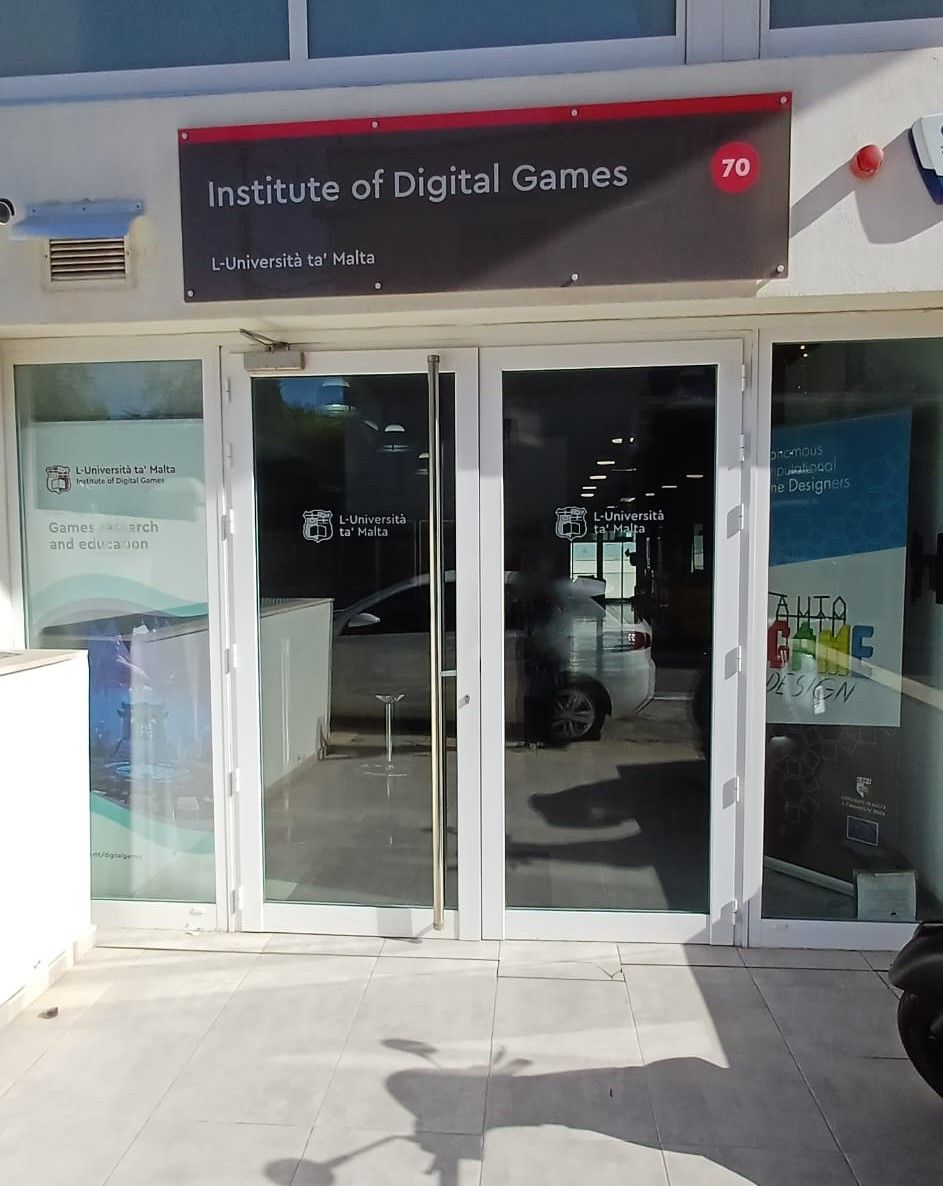
One month visit to Institute of Digital Games (IDG) training on Procedural Content Generation using Reinforcement Learning controlled for affective content under the supervision of Professor Ahmed Khalifa. Funded by the Project ”Consortium Advanced Computing - HPC, HPDA, AI & HPV” (2021-1-PT01-KA131-HED-000008876) under the Erasmus + Program, Education and Training 2021 - Higher Education - Action KA131 - Mobility for Learning Purposes.
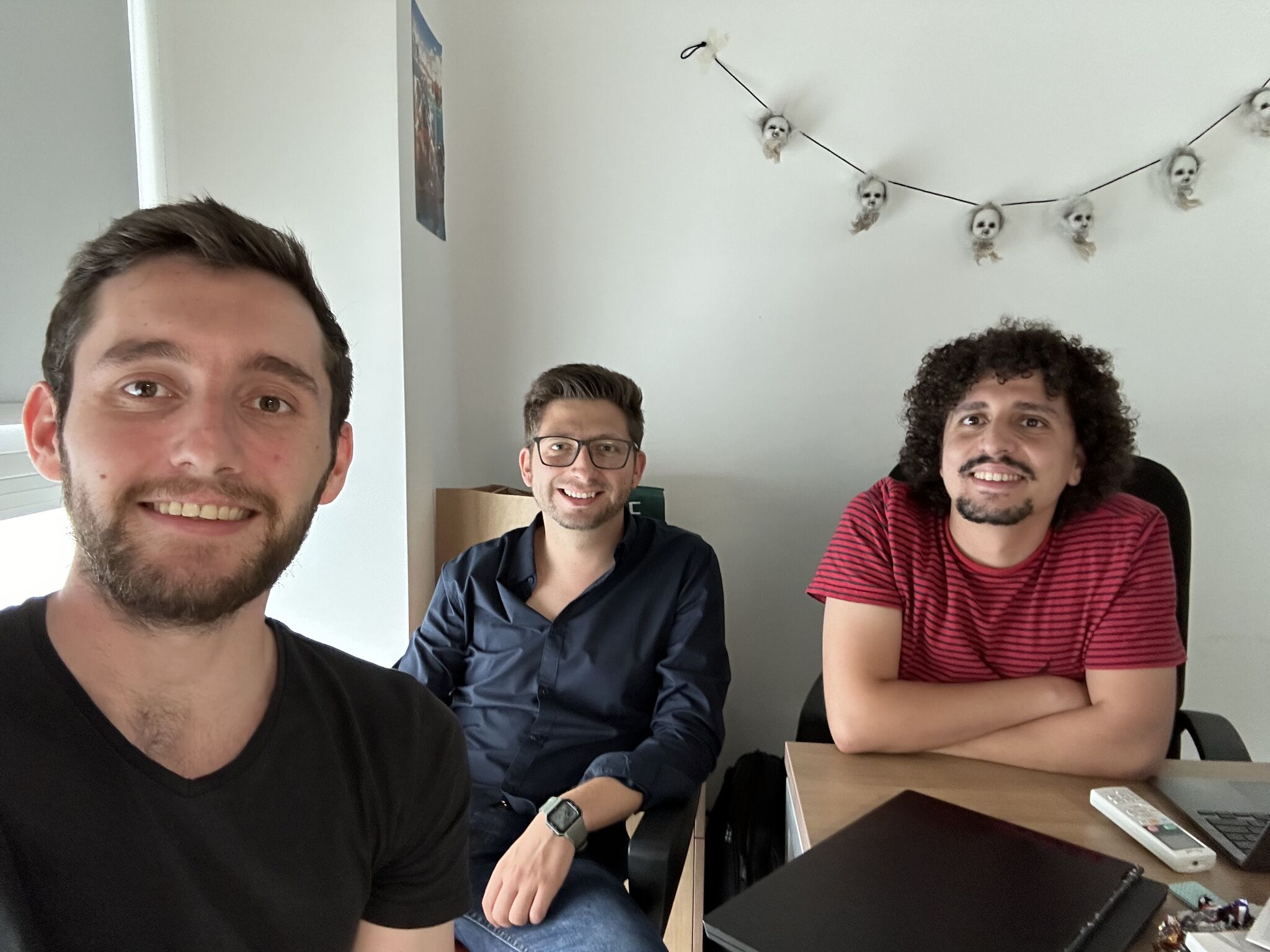
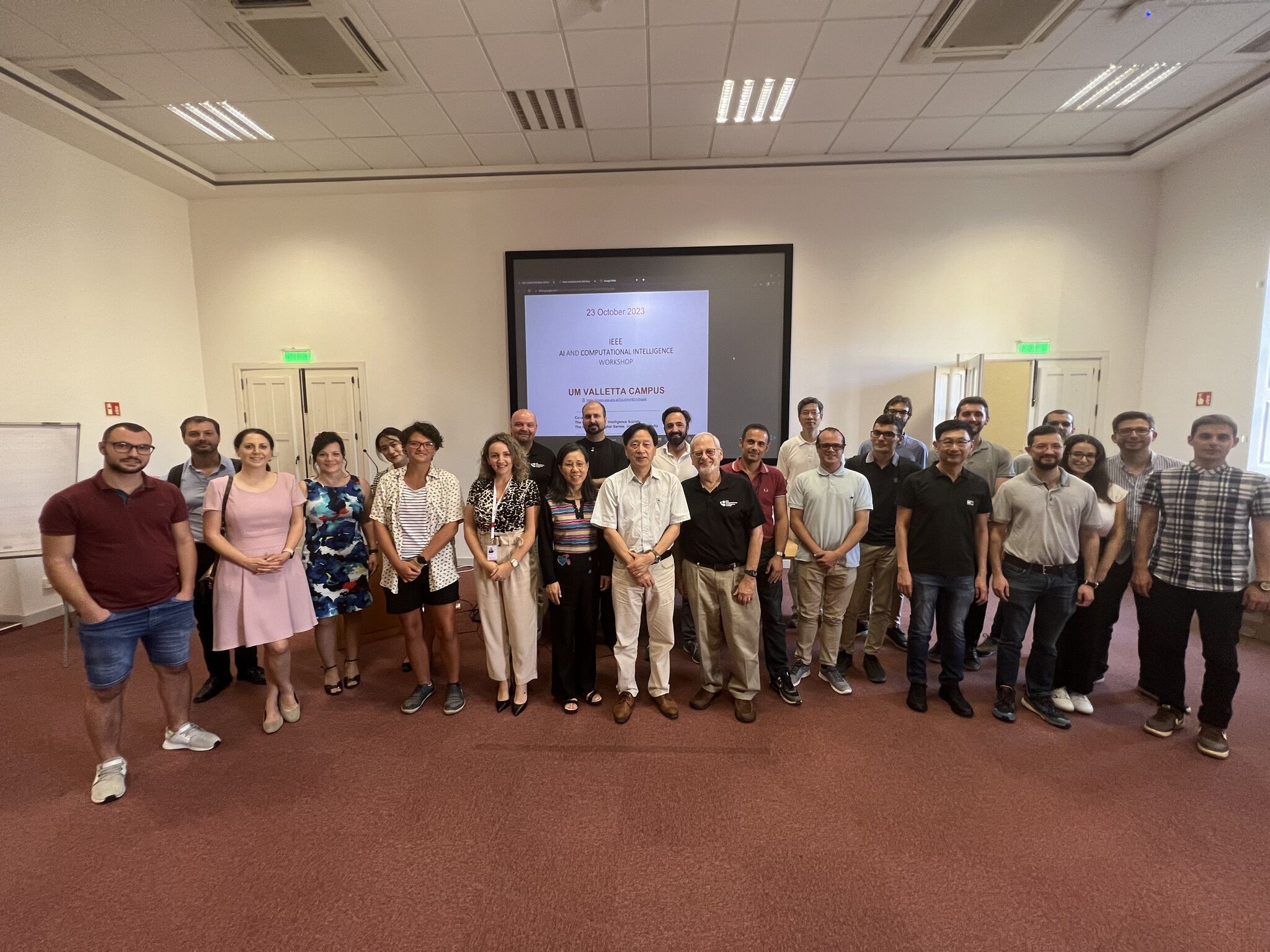
Our collaboration resulted in a paper:
Barthet, M., Branco, D., Gallotta, R., Khalifa, A., & Yannakakis, G. N. (2024). Closing the Affective Loop via Experience-Driven Reinforcement Learning Designers. In: 12th International Conference on Affective Computing & Intelligent Interaction, Glasgow, UK. doi: 10.1109/ACII63134.2024.00034
PhD project by Foundation for Science and Technology (FCT) during 4 years Link to heading
EcoVR: An Open-Source Framework to Increase Ecological Validity in Virtual Reality Experiences. This project combines affective computing, standardized emotion elicitation databases, and computer vision to build models that predict emotions based on visual features. Using machine learning tools like Scikit-learn, PyTorch, and Optuna, together with 3D tools such as Unity and Blender, we develop classification and regression models of emotional responses in virtual environments.
Our goal is to create a tool that enables researchers and therapists to design ecologically valid emotion elicitation scenarios for experiments and therapy using virtual reality. To support this, we introduce a new validated database of emotional responses to 3D objects.
This work is supervised by Professor Sergi Bermúdez I Badia and Professor Óscar F. Gonçalves.
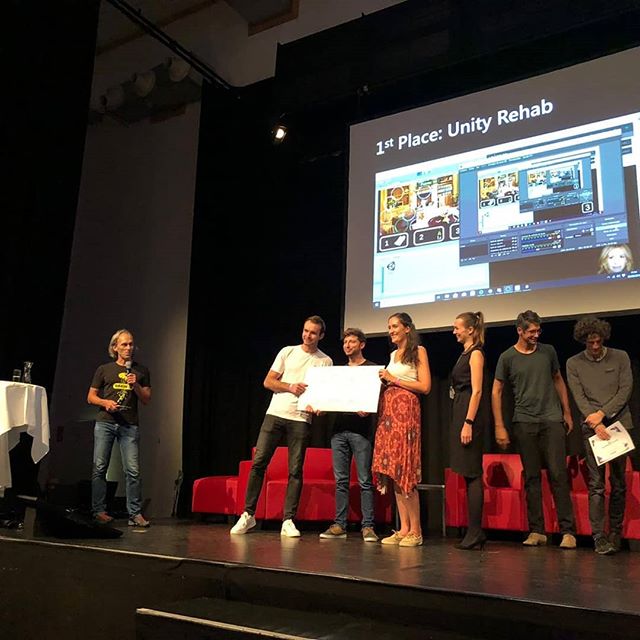
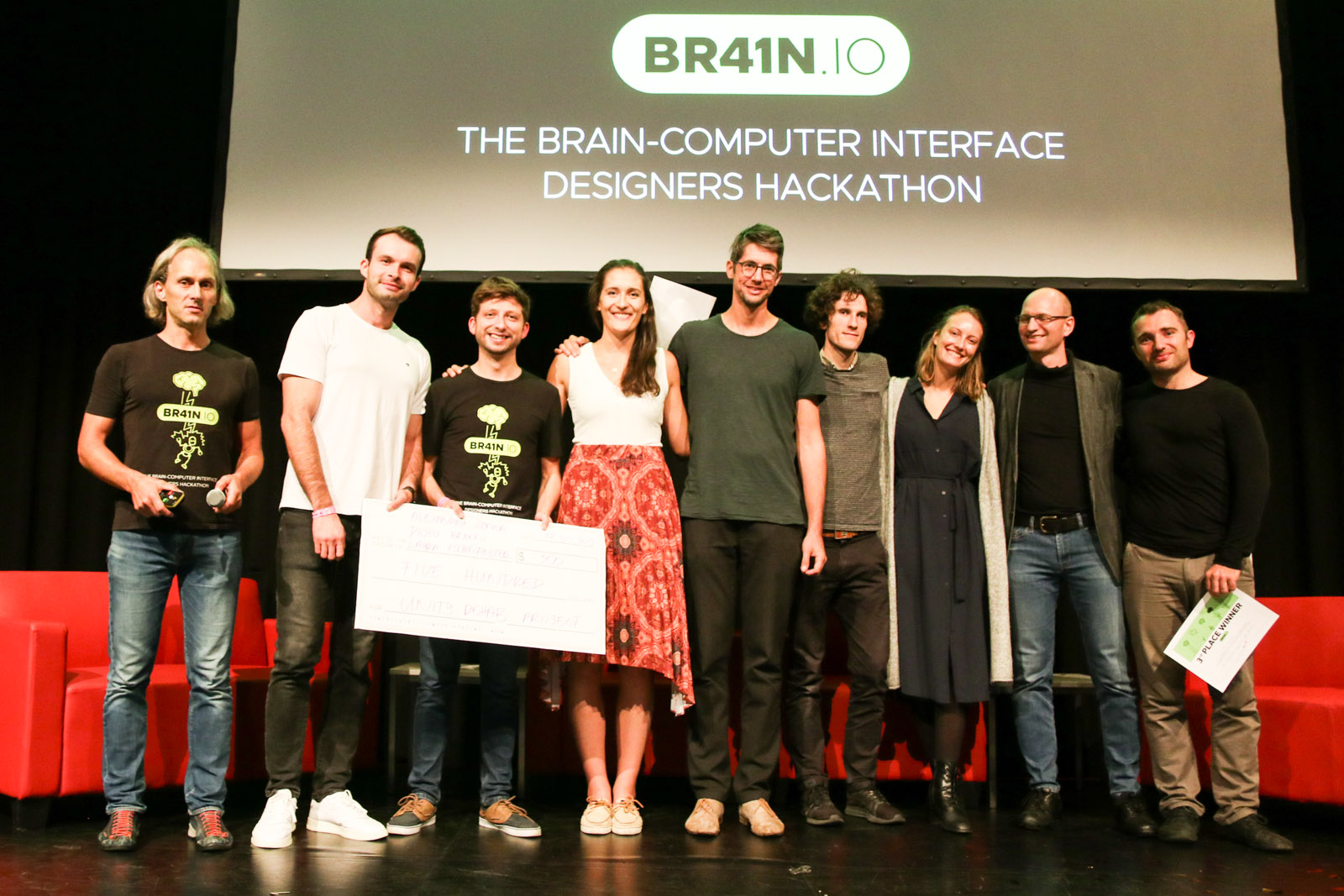
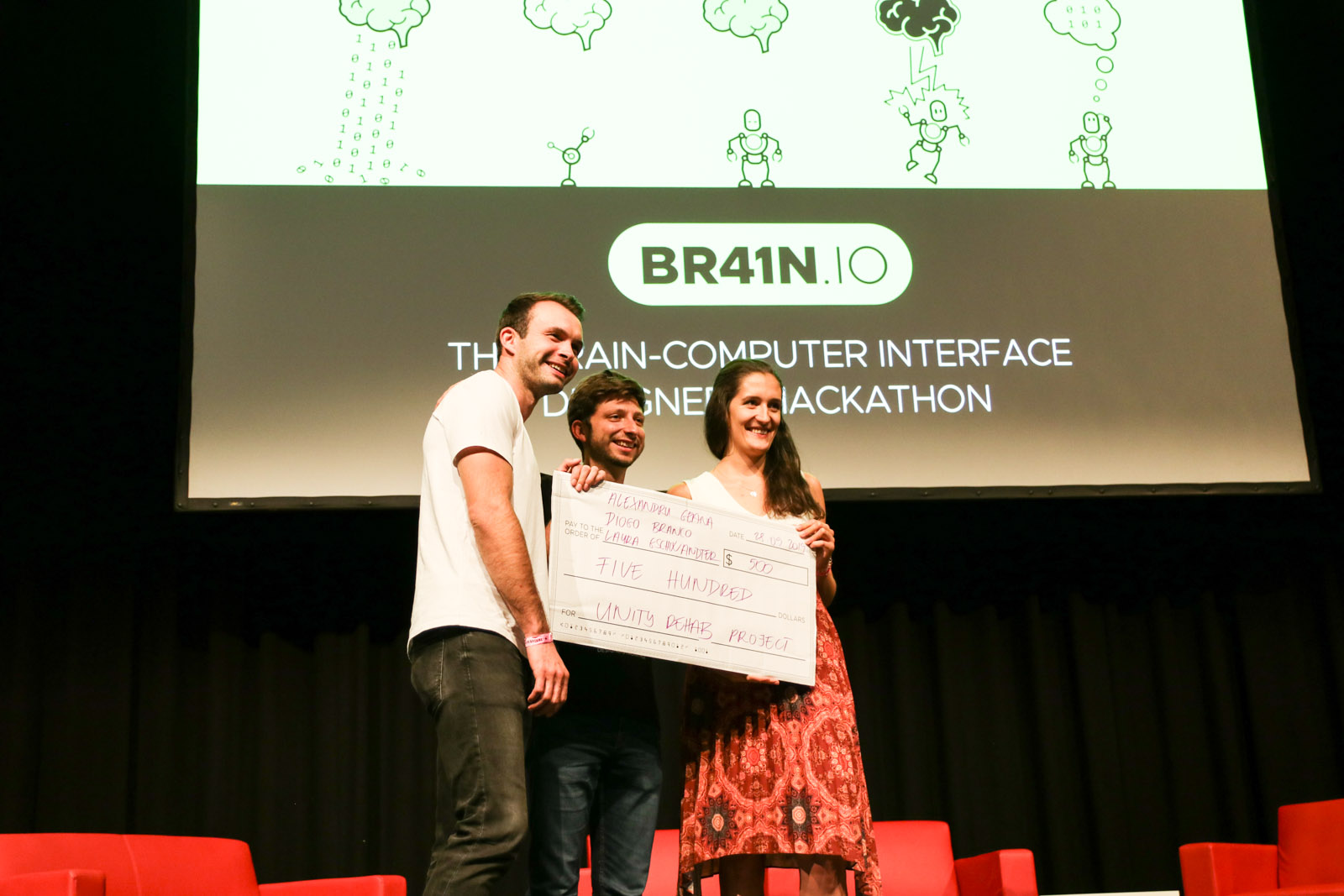
1st Place at the BR41N.IO Hackathon Vienna 2019 – g.tec Link to heading
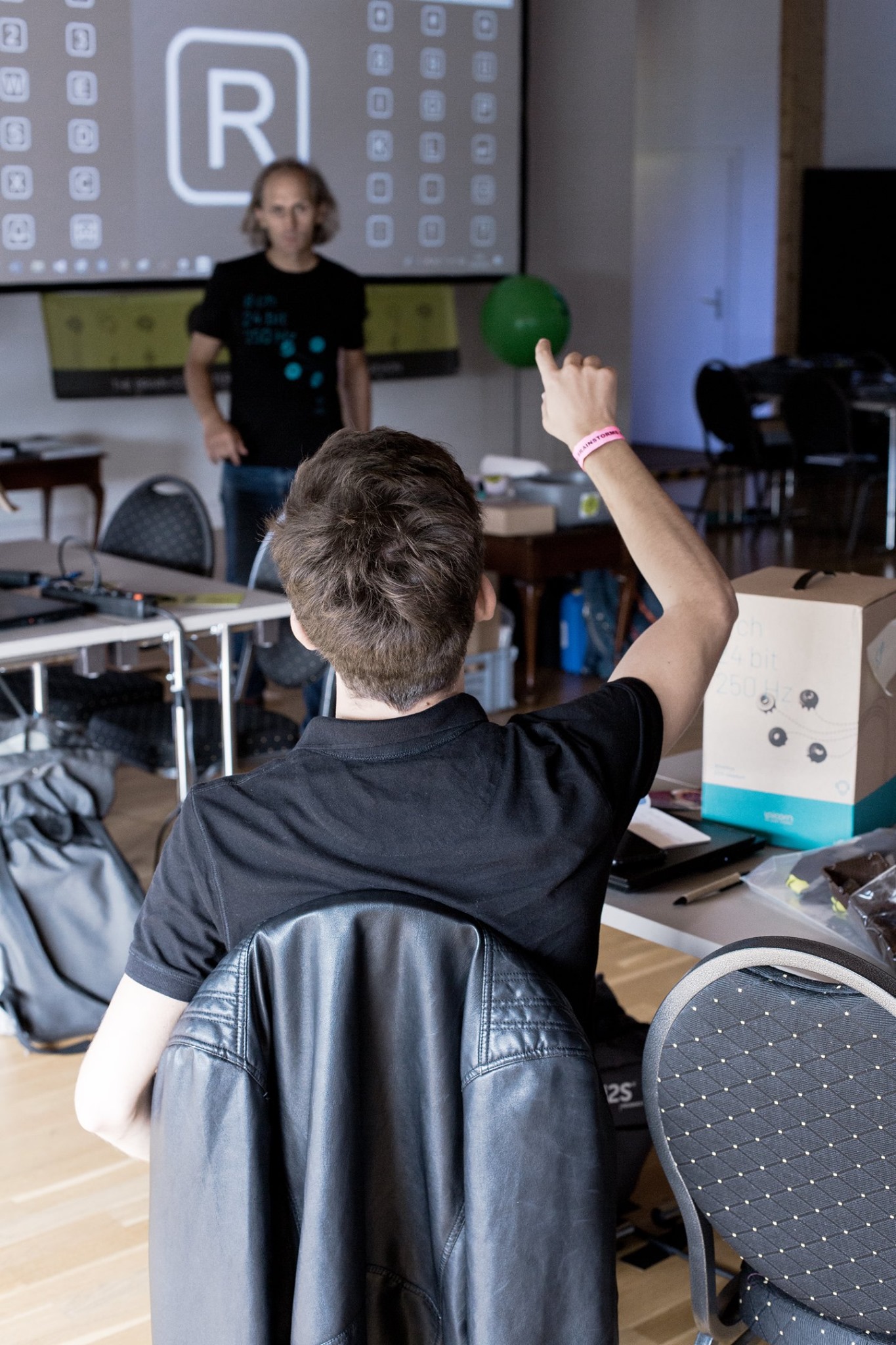
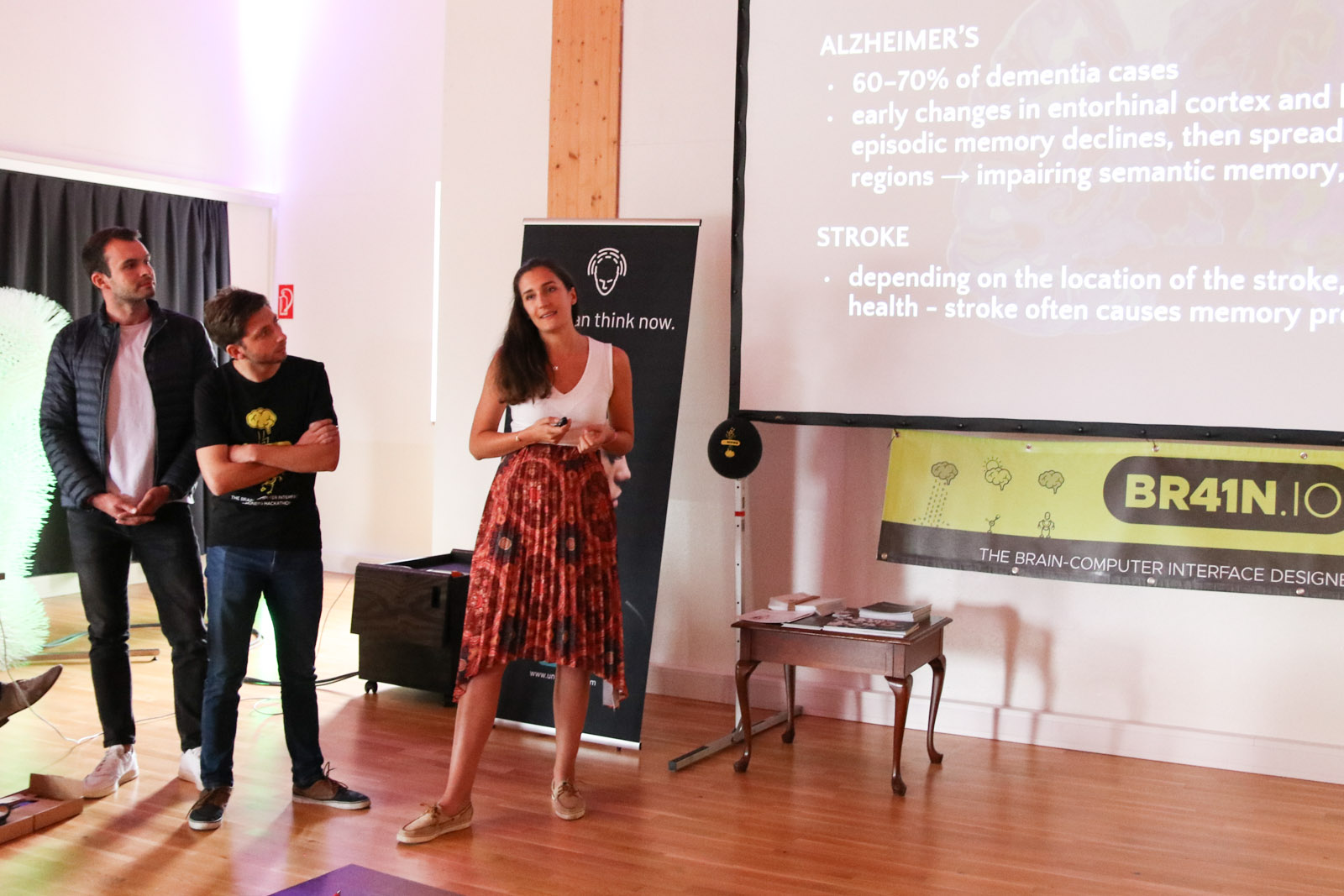
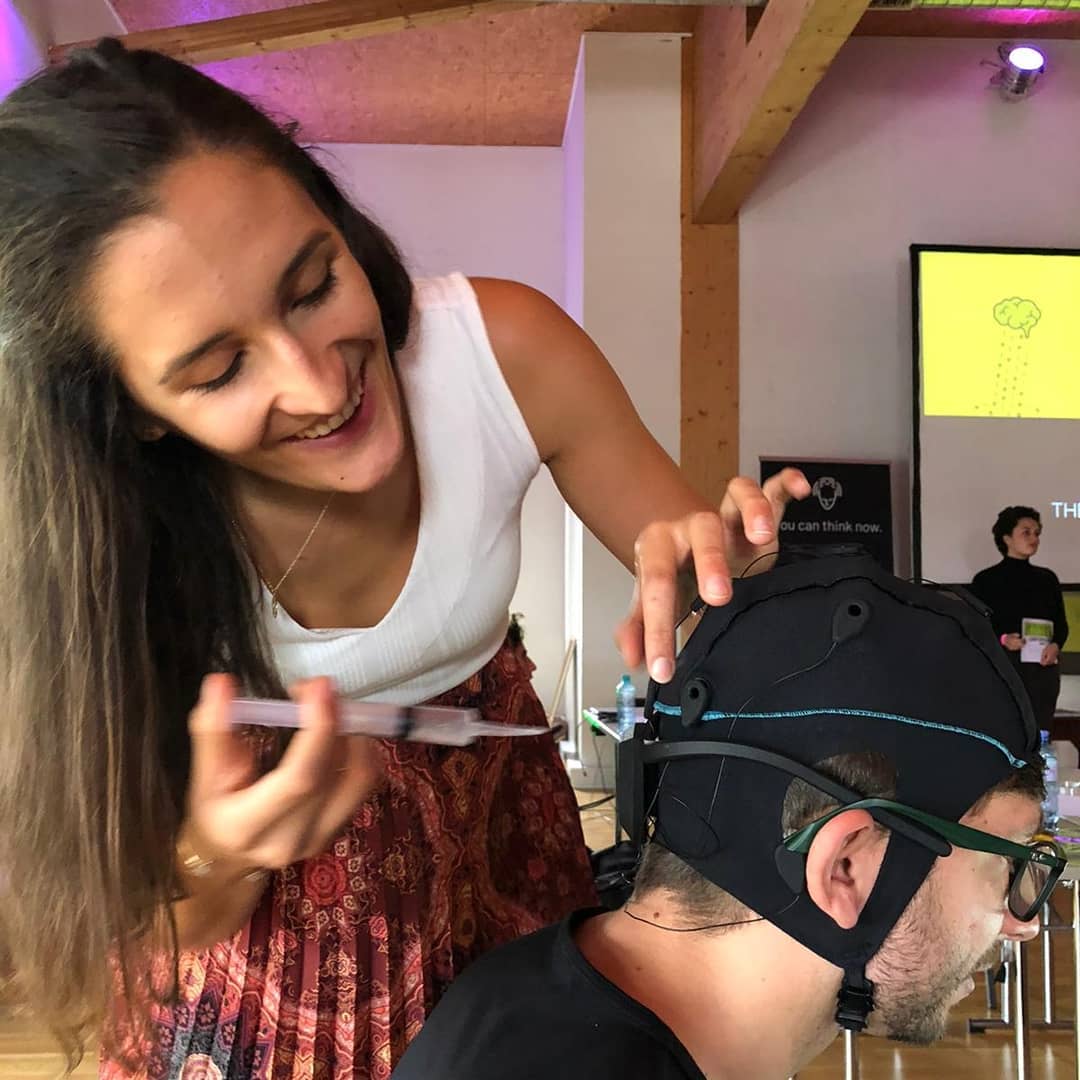
We developed a game in 24 hours using input from the g.tec Unicorn EEG headset with 8 channels. Built with the Unity Game Engine and leveraging the P300 Speller Brain-Computer Interface (BCI) paradigm, the game challenged players to recall and select objects that briefly appeared and then disappeared. This project aimed to provide cognitive stimulation through engaging gamification. We won first place at the hackathon held on September 27-28, 2019, at Colosseum 21 in Vienna, Austria.
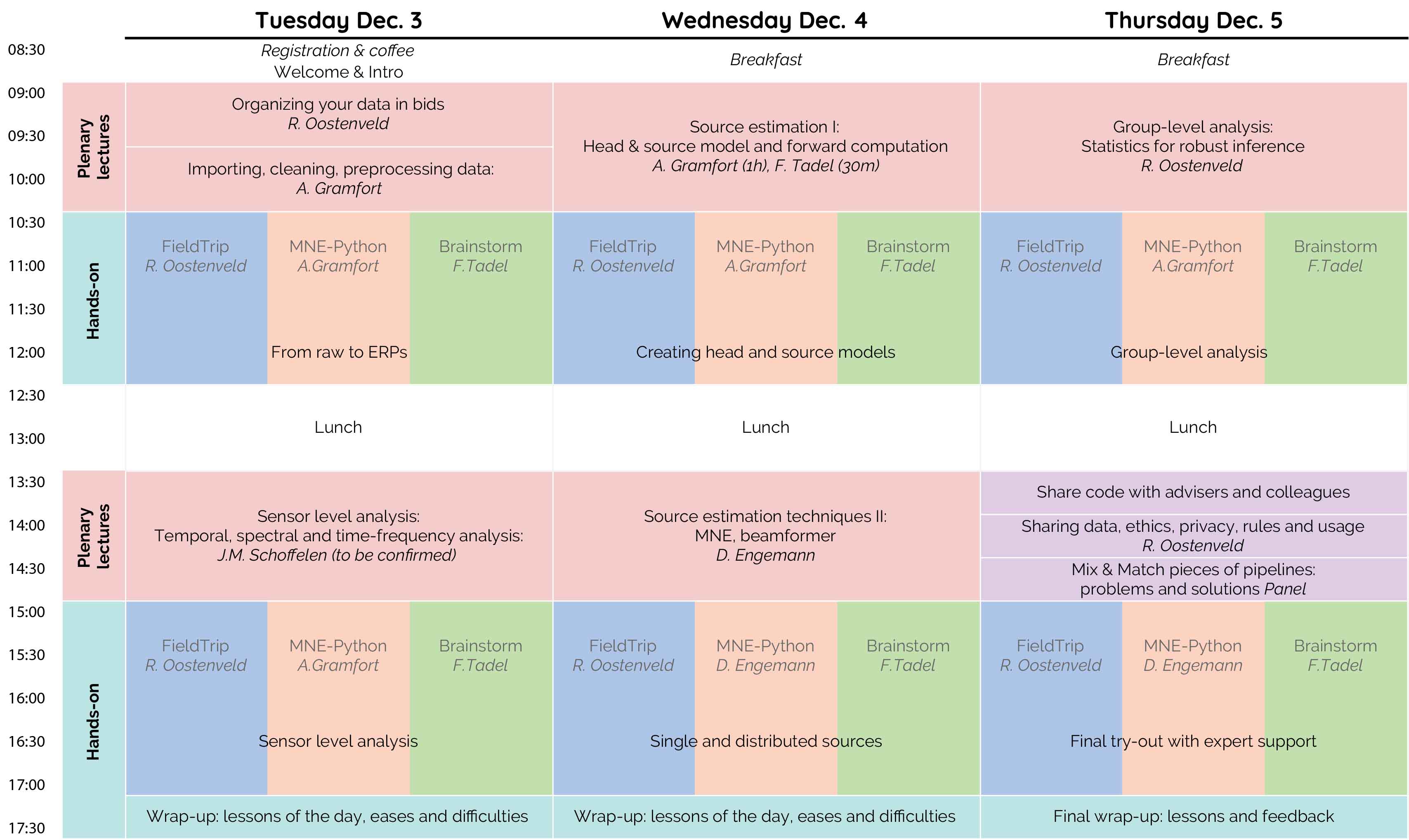
FEE Waiver for PracticalMEEG 2019 At ICM, Paris, France Link to heading
MEG and EEG analysis requires balancing efficiency, usability, and method-specific tools. No single software meets all needs, so complex studies often combine multiple specialized packages. PracticalMEEG is a multi-day training where participants learn to build complete analysis pipelines using Brainstorm, FieldTrip, and MNE-Python, with support for multi-software workflows. The training took place at the Institut du Cerveau et de la Moelle épinière (ICM), a leading research center on the Pitié Salpêtrière Hospital campus in Paris.